


Organizational Background


The Grand Bahama Resilience Center (GBRC) was established by Caritas Antilles in March 2020 in response to the devastating impact of Hurricane Dorian, one of the most severe climate-related disasters in The Bahamas. However, our work extends far beyond disaster recovery. We are dedicated to strengthening mental health resilience year-round.
Initially, we operated virtually due to COVID-19 restrictions, offering remote counseling and psychoeducation to those affected by the storm. As restrictions lifted, we transitioned to in-person services at our seven-room facility in the Lucaya Shopping Plaza, expanding our reach and deepening our impact.
In November 2020, recognizing the ongoing mental health crisis in Abaco, we extended our services by hiring a social worker for a one-year project to support hurricane survivors. This initiative reinforced our commitment to long-term recovery across The Bahamas.
By November 2021, our organization was officially registered as the Bahamas Resilience Center, solidifying our role as a leading institution in mental health advocacy and climate resilience. Over the years, we have expanded our programs, conducting professional development sessions for educators, spearheading youth mental health campaigns, partnering with local organizations to host wellness events, and providing mental health support for vulnerable populations.
In 2024, the Grand Bahama Port Authority generously donated a building to support our expansion, and the TX Foundation funded a major extension, allowing us to continue critical programming while adding a group room and storage spaces. This expansion strengthens our ability to meet holistic needs, as we work toward providing food and clothing assistance. In late 2024, we partnered with local organizations such as Hands for Hunger to distribute food parcels, furthering our mission to support overall well-being in our community.
Today, we continue to grow, ensuring that mental health care remains a priority not just in times of disaster, but every day.
Our Mission
The mission of the Bahamas Resilience Center is to nurture resilience and growth in individuals, families, and communities across The Bahamas and the wider Caribbean by addressing the challenges posed by change and stress. We lead efforts to increase mental health awareness and advocate for stronger support systems, develop and deliver programs that enhance knowledge and promote holistic wellness, prepare communities to manage mental health challenges before, during, and after disasters, and ensure access to continuous, professional mental health care for sustained recovery and well-being. Through these initiatives, we strive to create strong, connected, and resilient communities.


Our Impact
Counseling, Mental Health Support & Resilience Training
-
Provided confidential, professional counseling services to more than 750 individuals since 2020, including 223 individuals in 2024 alone. Services have supported people experiencing disaster and climate-related stress, workplace trauma, grief, family challenges, and other emotional concerns.
-
Participants ranged in age from 18 to 43, with 80% identifying as female. Most participants attended at least six counseling sessions, and 30% continued beyond six sessions.
-
100% of participants reported an improved quality of life, 70% reported improved stress and emotional management, and 100% reported greater confidence in coping with life’s challenges.
-
Delivered resilience, mental health, and workplace wellness training to more than 1,000 individuals across government agencies, businesses, schools, nonprofit organizations, and community groups.
-
Provided corporate wellness and psychosocial support services to organizations including Freeport Container Port, RBC, Grand Bahama Power Company, the Department of Statistics, and other public and private sector partners.
-
Facilitated critical incident stress support following workplace trauma, loss, and other crises.
-
Delivered wellness and sensitivity training focused on stress, burnout, communication, empathy, and teamwork to public service offices, including the Royal Bahamas Police Force, Customs, Social Services, the Administrator’s Office, and the Ministry of Works.
Regional Training & Caribbean Capacity Building
-
Expanded the Center’s work beyond Grand Bahama through training, partnerships, and community-based initiatives across The Bahamas and Jamaica.
-
Delivered the Multiplying Community Resilience Training in Kingston and Montego Bay, Jamaica, in partnership with NexxStepp, equipping community leaders and volunteers to promote mental health, resilience, supportive communication, ethical community support, and wellness.
-
Developed a practical, adaptable community resilience model that can be implemented through churches, nonprofit organizations, workplaces, schools, service clubs, and other community-based settings throughout the Caribbean.
-
Strengthened participants’ capacity to design and deliver locally relevant wellness activities within their own organizations and communities.
-
Advanced the implementation of the World Health Organization’s Problem Management Plus (PM+) intervention in Grand Bahama, with plans to extend the model to additional Family Islands.
-
Trained and supported community-based providers to deliver structured, evidence-informed psychosocial interventions under appropriate supervision.
-
Built relationships with Caribbean mental health professionals, civil society organizations, community leaders, and institutions to strengthen referral pathways, knowledge exchange, and regional collaboration.
Community Outreach, Mental Health Awareness & Youth Engagement
-
Reached more than 20,000 individuals since 2020 through mental health awareness campaigns, emotional regulation sessions, self-care initiatives, community outreach, and public education.
-
Engaged more than 5,000 community members through targeted awareness campaigns designed to reduce stigma, increase mental health literacy, and encourage appropriate help-seeking.
-
More than 90% of workshop participants reported an improved understanding of mental health, greater comfort discussing mental health concerns, and an increased likelihood of seeking support or referring someone else for counseling.
-
Delivered youth development programs, including Back 2 Basics and Camp Discovery, serving approximately 50 children each summer through academic support, personal development, emotional wellness, recreation, and life-skills activities.
-
Parents and participating youth reported improvements in emotional regulation, coping skills, self-confidence, and social connection.
-
Used lessons from community programming in Grand Bahama to develop approaches that can be adapted for children, families, and communities in other Caribbean settings.
Capacity Building & Volunteer Engagement
-
Trained more than 100 individuals in Psychological First Aid and Psychosocial Support, strengthening community capacity to respond to disasters, traumatic events, and other crises.
-
Collaborated with organizations such as the Bahamas Red Cross to strengthen locally led disaster mental health and psychosocial support.
-
Recruited and trained more than 50 volunteers to support summer camps, outreach activities, seasonal initiatives, and community wellness programs.
-
Expanded volunteer capacity through regional training in Jamaica, preparing participants to serve as wellness ambassadors and lead practical initiatives within their communities.
-
Sixty percent of workshop and training participants attended more than one activity, reflecting sustained engagement and continued interest in mental health and resilience-building opportunities.
Wellness, Social Connection & Community Activities
-
Since 2020, more than 18,000 individuals have been engaged through wellness programs and related outreach, including arts and crafts, knitting and crocheting, ballroom dancing, etiquette, fitness, chess, parent-child workshops, and other activities that promote connection and well-being.
-
Ninety-five percent of participating seniors reported decreased feelings of loneliness and isolation.
-
Families reported meaningful improvements in emotional well-being, energy levels, confidence, and community connection.
-
Demonstrated that culturally relevant recreation, creative expression, education, and social connection can serve as accessible entry points for strengthening mental health and resilience across Caribbean communities.
Strategic Partnerships & Regional Growth
-
Strengthened collaborations with Social Services, the Ministry of Education, the Royal Bahamas Police Force, the Grand Bahama Children’s Home, the Magistrate Court, the Bahamas Red Cross, corporate partners, and community-based organizations.
-
Expanded regional partnerships through collaboration with NexxStepp and community organizations in Jamaica, supporting the delivery of resilience and wellness training in Kingston and Montego Bay.
-
Partnerships have increased access to mental health support, reduced stigma, strengthened referral pathways, and improved the alignment of services with local needs.
-
The Center is building a scalable Caribbean model that combines counseling, evidence-informed interventions, community education, volunteer development, and culturally responsive wellness activities.
-
Through regional partnerships and capacity building, the Center is positioning itself as a hub for community resilience, mental health innovation, and psychosocial support across The Bahamas and the wider Caribbean.


Meeting SDGs
The Grand Bahama Resilience Center (GBRC) aligns with several Sustainable Development Goals (SDGs) due to its commitment to improving mental health, building resilience, and promoting well-being in communities across The Bahamas and the Caribbean. Here are the key SDGs that the GBRC supports:
1. SDG 3: Good Health and Well-being
Mental Health Support:
GBRC provides mental health services, including counseling, trauma recovery, and psychosocial support to individuals, addressing mental well-being during and after disasters.
Wellness Programs: The center offers programs that focus on physical health, stress management, self-care, and preventive mental health, contributing to healthier communities.
Youth Mental Health:
GBRC’s work with youth leaders, schools, and parents ensures that young people receive the necessary support to maintain mental and emotional well-being.
2. SDG 4: Quality Education
Educational Support:
GBRC offers literacy programs, reading support, and youth development initiatives that improve educational outcomes for children and adults, particularly through Camp Discovery and Back to Basics.
Training and Capacity Building: GBRC conducts trainings and workshops for youth leaders, educators, and caregivers, equipping them with the tools to support the mental health and development of children and youth.
Educational Campaigns: The center promotes mental health awareness and psychosocial support through community outreach, increasing knowledge about the importance of mental well-being.
3. SDG 5: Gender Equality
Sister Circle (Female Support Group): GBRC provides a safe space for women to gather, support each other, and discuss issues such as mental health, self-care, and empowerment.
Gender-Sensitive Programs: The center designs programs that address the unique mental health needs of women and girls, especially during and after disasters.
4. SDG 10: Reduced Inequality
Support for Vulnerable Populations: GBRC works with vulnerable groups, including those affected by climate change, youth at risk, and individuals from marginalized communities, offering mental health support and capacity-building programs to reduce disparities. Youth and Family Support: The center provides programs that help bridge the gap for families facing behavioral challenges, poverty, or trauma, fostering equal opportunities for healing and development.
5. SDG 13: Climate Action
Climate-Resilient Mental Health:
Climate change has intensified natural disasters, displacement, and long-term psychological distress for Bahamian communities. Recognizing this, GBRC goes beyond traditional mental health care by integrating climate resilience strategies into our programs. The Center focuses on:
-
Disaster Preparedness & Mental Health Training – Equipping individuals with coping mechanisms before, during, and after disasters.
-
Community Healing Spaces – Programs like Knitting & Crocheting Circles, Games Club, and Low-Impact Exercise create safe spaces for emotional recovery after climate-related stressors.
-
Educational & Youth Support – Climate change has disrupted education, increasing anxiety among children. Our reading programs, etiquette classes, chess, summer programs, and Back 2 Basics initiative help children build resilience and regain stability.
-
Workplace Mental Health & Resilience Training – Supporting government and private sector employees facing climate-related stressors, such as disaster response teams and frontline workers.
6. SDG 17: Partnerships for the Goals
Strategic Partnerships: GBRC collaborates with key organizations such as the Bahamas Red Cross, the Ministry of Education, the Royal Bahamas Police Force, Hands for Hunger and the Grand Bahama Children’s Home, fostering collective action to address mental health needs, provie holistic support and build community resilience. Cross-Sector Collaboration: Through partnerships with schools, churches, and government ministries, GBRC fosters cross-sector collaboration to strengthen the overall capacity of communities to handle mental health and disaster recovery.


Our Vision
Our vision is for the Caribbean region to become a beacon of resilience, where individuals, families, and communities are equipped to thrive in the face of adversity. We are committed to advancing mental health through increased awareness, improved access to support, innovative programming, and impactful research. By fostering a culture where well-being is prioritized and stigma is eliminated, and through strategic collaboration and evidence-based initiatives, we aim to shape a healthier, more empowered future for the region.
Opportunities for Growth and Expansion
As demand for climate-informed mental health services continues to rise, the Grand Bahama Resilience Center (GBRC) is positioned to expand our impact across The Bahamas and the Caribbean, reaching more individuals in need of mental health support, disaster preparedness, and resilience-building services.
With the right resources and support, we can accelerate service delivery, strengthen community engagement, and provide climate-resilient mental health services that empower individuals to navigate climate-related stress and trauma effectively.
Our Vision for Expansion
🌱 Building a Stronger Mental Health Workforce Across the Region
-
Expand our mental health workforce by recruiting and training more qualified counselors and mental health professionals to meet growing demand and reduce wait times for services.
-
Provide specialized training in climate-related trauma and disaster response, ensuring a more effective and targeted response to the mental health needs of individuals in the face of crises, particularly in disaster-prone areas throughout the region.
-
Strengthen training for youth leaders, educators, and caregivers to equip them with the skills needed to provide psychosocial support to children and families, especially those experiencing trauma or mental health challenges.
🗣️ Promoting Mental Health Awareness & Early Intervention
-
Invest in community-based mental health awareness campaigns across The Bahamas and the Caribbean to reduce stigma, promote early intervention, and encourage individuals to seek help before mental health concerns escalate.
-
Partner with schools, churches, and social service agencies to integrate mental health education and support into the fabric of everyday life, providing proactive resources and prevention strategies for youth and families.
-
Expand parenting and family-focused programming to help caregivers navigate emotional and behavioral challenges within their families, fostering long-term well-being and resilience.
🏝️ Strengthening Mental Health Services & Climate Change Resilience
Climate change is creating new challenges for the mental health of individuals and communities in The Bahamas and across the Caribbean. In response, we aim to:
✅ Equip communities with coping strategies to help them manage climate-related stress, including extreme weather events, loss of property, and displacement.
✅ Integrate mental health support into disaster preparedness plans and ensure that services are available both before and after disasters, addressing trauma and emotional well-being from start to recovery.
✅ Conduct research on the psychological impact of climate-related disasters in the Caribbean, filling the gap in disaster response by focusing on mental health, an often overlooked area in traditional relief efforts.
✅ Develop evidence-based interventions that address the long-term trauma survivors experience, and ensure that mental health support is ongoing throughout the recovery process.
💡 Expanding Services to Other Islands in The Bahamas & the Caribbean
With the right investments, we can:
-
Expand our footprint to other Bahamian islands by establishing satellite offices or mobile units that can reach remote and underserved areas, ensuring that mental health resources are available to all communities.
-
Launch regional programs throughout the Caribbean to provide cross-border support to individuals facing similar challenges related to climate-induced trauma and mental health struggles.
-
Create a digital platform for online mental health services, enabling remote access to counseling, workshops, and resources for people in isolated areas or those facing mobility challenges.
Moving Towards a Holistic Approach
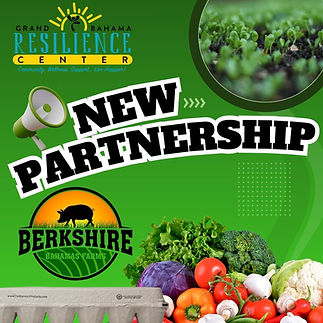
Coming soon: Community Garden

Coming soon: Consistent Food Parcel Distributions
Research & Projects for Better Disaster Mental Health Response in the Region
Problem Management Plus Research
Our goal is to conduct research on the long-term psychological effects of climate-related disasters in the region. This research will help us refine our disaster response strategies and develop tailored interventions that address the mental health needs of affected populations. Partner with academic institutions, NGOs, and international agencies to collect data on how climate change is reshaping the mental health landscape in the Caribbean, using this data to inform future mental health policies and interventions. Develop mental health-specific disaster response protocols that fill the gaps in current disaster relief efforts, ensuring that mental health support becomes a central component of emergency preparedness plans across the region.
We’ve partnered with The New School for Social Research in NYC to offer a Problem Management Plus Program. Problem Management Plus (PM+) is a 5-session program created by the World Health Organization. It teaches evidence-based interventions that focus on improving mental health and well-being. It involves strategies that can help to manage stress, tackle problems, encourage more activities, and strengthen social support. It is designed to help individuals and communities tackle challenges with confidence and resilience. This is the first study to develop and test booster sessions for PM+, addressing a significant gap in the task-sharing literature.
The team recently presented at the 6th Annual Caribbean Regional Conference of Psychology held in Barbados June 2025.
Recent Cohort of Trained PM+ Providers
PM+ Testimonial Video
Promoting Mental Health Awareness and Stigma Reduction in the Caribbean
Dr. Saunders-McBride’s dissertation, Promoting Mental Health Awareness and Stigma Reduction in the Caribbean: A Psychoeducation and Training Seminar, is a comprehensive, four-module training program designed to empower communities and organizations throughout the Caribbean. This innovative seminar has already been delivered to a variety of local stakeholders—including prominent businesses (Freeport Container Port, Freeport Harbour Company, Royal Bank of Canada, FB Administrators Association) and educational institutions (Eight Mile Rock High School, Freeport Bible School, Grace Bible, Jack Hayward Senior and Junior, St. Paul's Methodist)—and was presented to a group of social workers during the 2024 Social Workers’ Conference.
About the Seminar
The seminar is structured over two full days (approximately 14 hours of interactive content), with each day divided into morning and afternoon sessions. It features a rich blend of facilitator-led lectures, group discussions, interactive exercises, and role-playing scenarios, all designed to cater to diverse learning styles. A comprehensive facilitator’s manual accompanies the training, ensuring that each session is delivered with consistency and confidence.
Module Highlights
-
Module One: Understanding Mental Health
Delves into the importance of mental health, explores common mental illnesses in the Caribbean, and provides self-assessment tools to help participants recognize when to seek help. -
Module Two: Cultivating Wellness
Focuses on holistic well-being through spiritual, relational, and physical wellness. It includes practical exercises such as the 54321 grounding exercise, finger breathing techniques, and activities to establish personal boundaries and self-care practices—all contextualized within Caribbean cultural values. -
Module Three: Addressing Stigma
Defines mental health stigma, dispels common myths, and examines the impact of language and cultural factors on stigma. Through interactive group activities and discussions, participants brainstorm strategies to reduce stigma and create supportive mental health environments. -
Module Four: Building Supportive Environments
Emphasizes the critical role of supportive communities—in homes, schools, workplaces, and churches—to foster mental well-being. This module offers discussions and insights from professionals, equipping participants with practical tools to nurture and sustain healthy environments.
A Resource for Global Mental Health
This seminar can contribute significantly to the global mental health movement by providing an adaptable, evidence-based training resource. It not only raises awareness and reduces stigma within the Caribbean but also serves as a model for psychoeducation and community engagement worldwide. With plans to extend this training throughout the Caribbean, the initiative is poised to inspire transformative change, enhancing mental health literacy, encouraging early intervention, and promoting inclusive, supportive communities across diverse cultural landscapes.
The Caribbean Mental Health Alliance & Action Plan (CMHAAP)
The Caribbean is resilient, but mental health remains a critical challenge—one that requires a united and informed response. The Caribbean Mental Health Alliance & Action Plan (CMHAAP)—an initiative of the Grand Bahama Resilience Center—aims to assess the current state of mental health across the region and work towards strengthening, expanding, and transforming mental health services.
Our First Step:
We are conducting an initial landscape assessment to understand the challenges, gaps, and opportunities within mental health systems across Caribbean nations. This will help us identify key areas for collaboration and action.
Focus Areas:
Promotion: Raising awareness & reducing stigma
Prevention: Early intervention & workplace/school mental health
Treatment: Expanding services & strengthening partnerships
Maintenance: Sustainable mental wellness support
Disaster Mental Health Response: Preparing & responding to crises


